
Reimagining LTL trailers as connected internet appliances
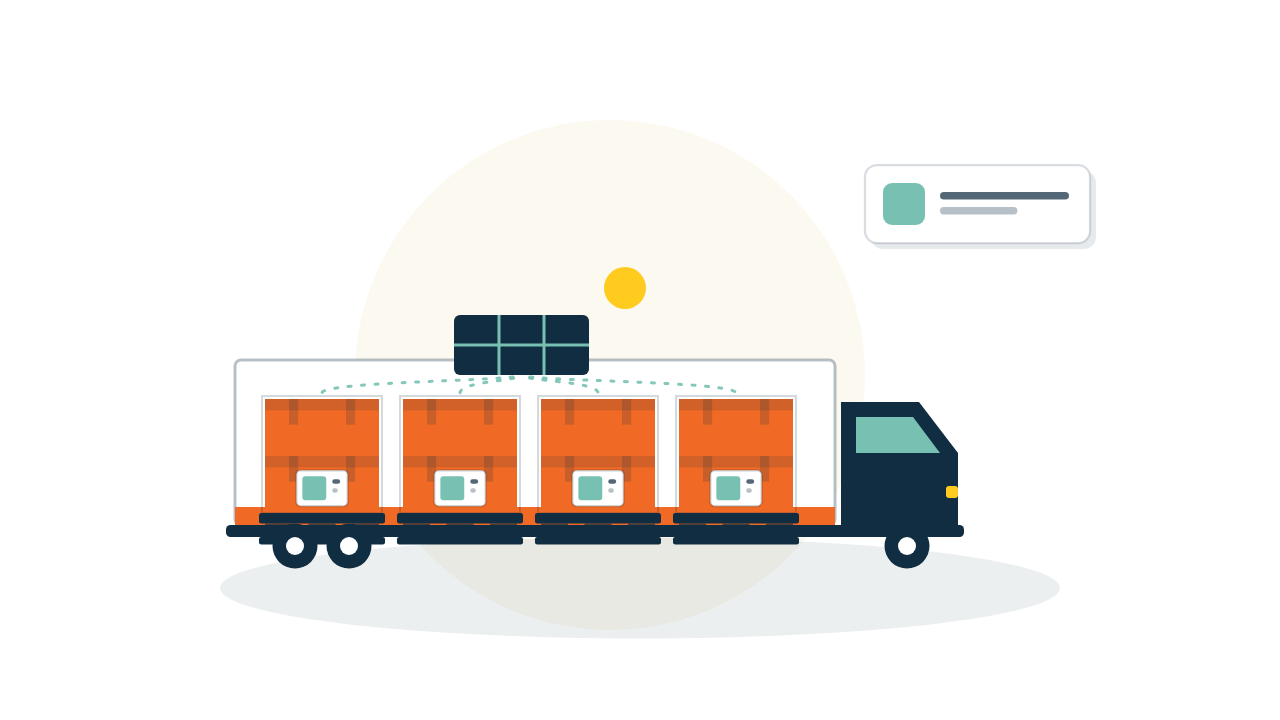
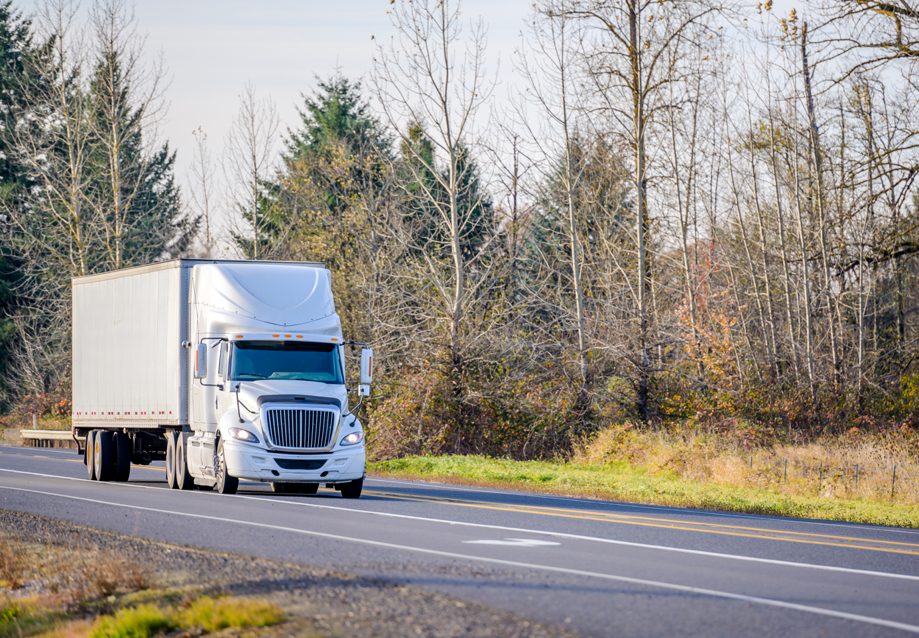
In the world of Less-Than-Truckload (LTL) shipping, the 53-foot trailer is a workhorse — ubiquitous, reliable, and, until recently, largely invisible. While some powered assets like tractors and reefers have long been connected to the cloud, trailers have remained passive (non-powered ) participants in the supply chain.
But what if we flipped the script?
What if these trailers — often considered “dumb” assets — became intelligent, connected nodes in a real-time logistics network?!
The problem: blind spots in the supply chain
Today, once a pallet is loaded into a trailer, it enters a kind of data black hole. Shippers, carriers, and customers alike lose visibility until the freight is scanned at its next stop. This lack of transparency creates inefficiencies, delays, and missed opportunities for optimization.
In an age where we track everything from coffee deliveries to heartbeats, this blind spot can be easily taken care of
The opportunity: turning trailers into smart assets
By equipping trailers with cloud connectivity and GPS sensors we transform them into real-time data hubs. This isn’t just about knowing where a trailer is — it’s about knowing what’s inside, how it’s being treated, and how to make smarter decisions based on that data.
Think:
This kind of intelligence turns trailers from dead space into dynamic assets — and gives carriers a competitive edge, and lucrative opportunity
The tech is ready — are we?
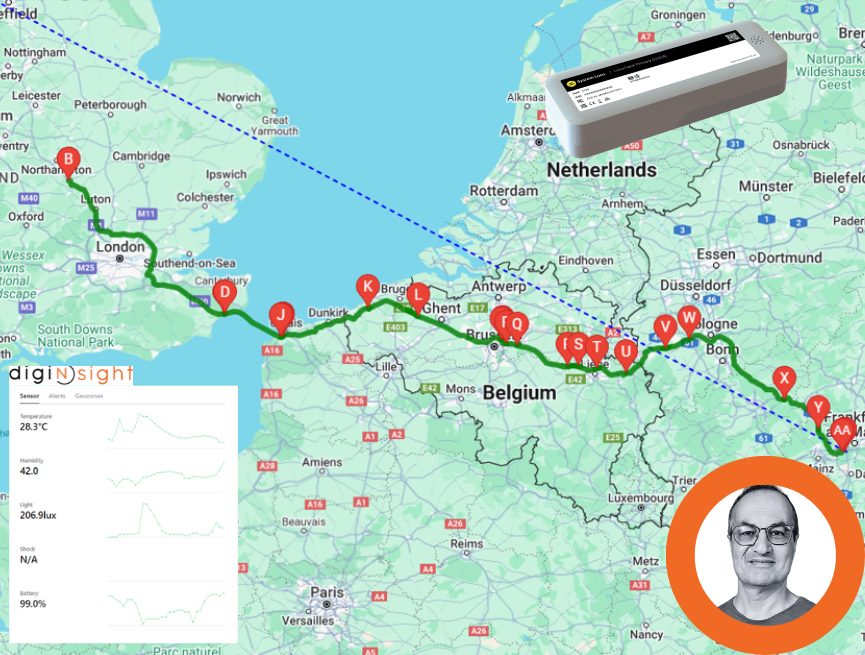
The hardware exists. The cloud infrastructure is mature. The cost of connectivity has dropped dramatically. What’s needed now is a mindset shift: to treat trailers not as static boxes, but as integral parts of a digital supply chain.
Early adopters will see quick ROI through reduced dwell times, better load planning, and improved customer satisfaction. The question is no longer “Can we do this?” but “Why haven’t we?”
From dead space to digital goldmine: monetizing trailer data
Carriers are under pressure — squeezed by rising costs, volatile demand, and razor-thin margins. But hidden in plain sight is a new asset class: data from connected trailers. Once trailers become cloud-connected, they generate a stream of high-value insights that can be monetized in ways that go far beyond operational efficiency.
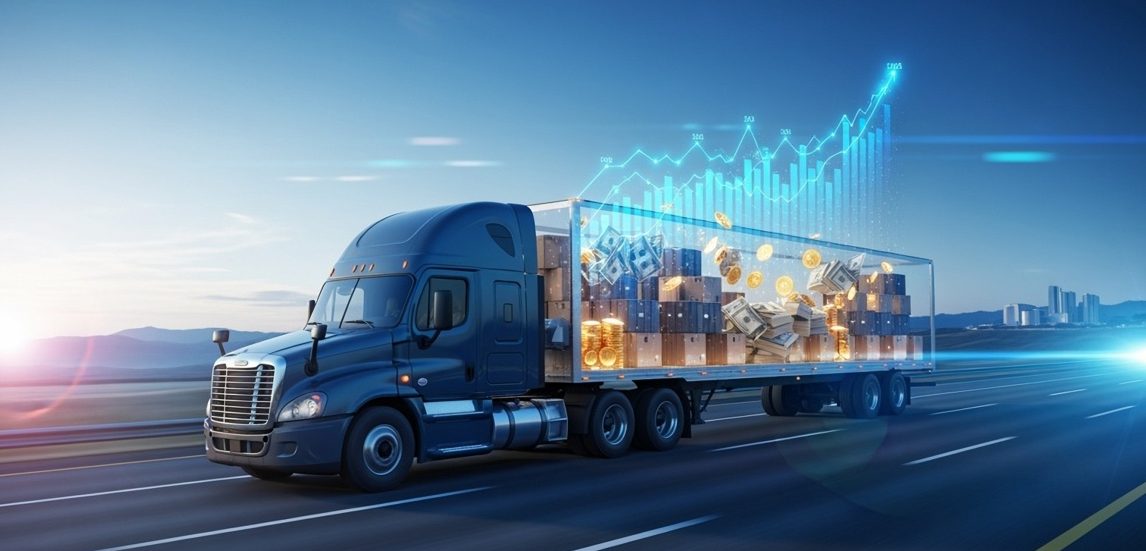
Here are a few ways carriers can turn this data into revenue:
1. Selling visibility as a premium service
Shippers and their Customers crave transparency. Carriers can offer real-time pallet-level tracking as a value-added service, charging a premium for visibility dashboards, alerts, and predictive ETAs
- Think of it as “freight with benefits”
- Tiered pricing models could unlock new revenue streams
2. Licensing utilization and movement data
Trailer movement patterns, dwell times, and lane-level utilization are gold for network planners, 3PLs, and retailers. Carriers can anonymize and license this data to ecosystem partners for:
- Route optimization
- Yard management
- Inventory forecasting
3. Enabling smart freight insurance
With real-time data on shock, tilt, temperature, and door events, carriers can partner with insurers to offer dynamic coverage — adjusting premiums based on actual risk exposure.
- Safer freight = lower premiums
- Real-time claims validation = faster payouts
4. Creating a marketplace for trailer space
Idle or underutilized trailers can be listed in a digital marketplace, where other carriers or brokers can book space dynamically — like Airbnb for freight.
- Real-time visibility enables trust
- Monetizes unused capacity
5. Partnering with tech vendors for data-as-a-service
Carriers can collaborate with IoT and cloud providers to co-develop analytics platforms, offering Data-as-a-Service (DaaS) to supply chain stakeholders.
- Shared revenue models
- Builds long-term tech partnerships
The internet of trailers: why it’s time to track every pallet
This isn’t just about knowing where your freight is — it’s about knowing what your data is worth. In a highly challenging market, without end in sight to this mess, carriers don’t need to haul more freight to survive and grow. They need to unlock the value of what they already carry — and the data that comes with it.
The Internet of Trailers is more than a logistics upgrade. It’s a business model revolution.
More articles
all resources
Visibility isn't a technology - it's a business strategy
read article
Pallet-level visibility changes everything
read article
Visibility is not just a technology - it’s a survival and growth strategy in the freight recession
read article
PALs - Printed Active Labels reshaping supply chain intelligence
read article
How pallet-level real-time visibility elevates over the road transportation
read article