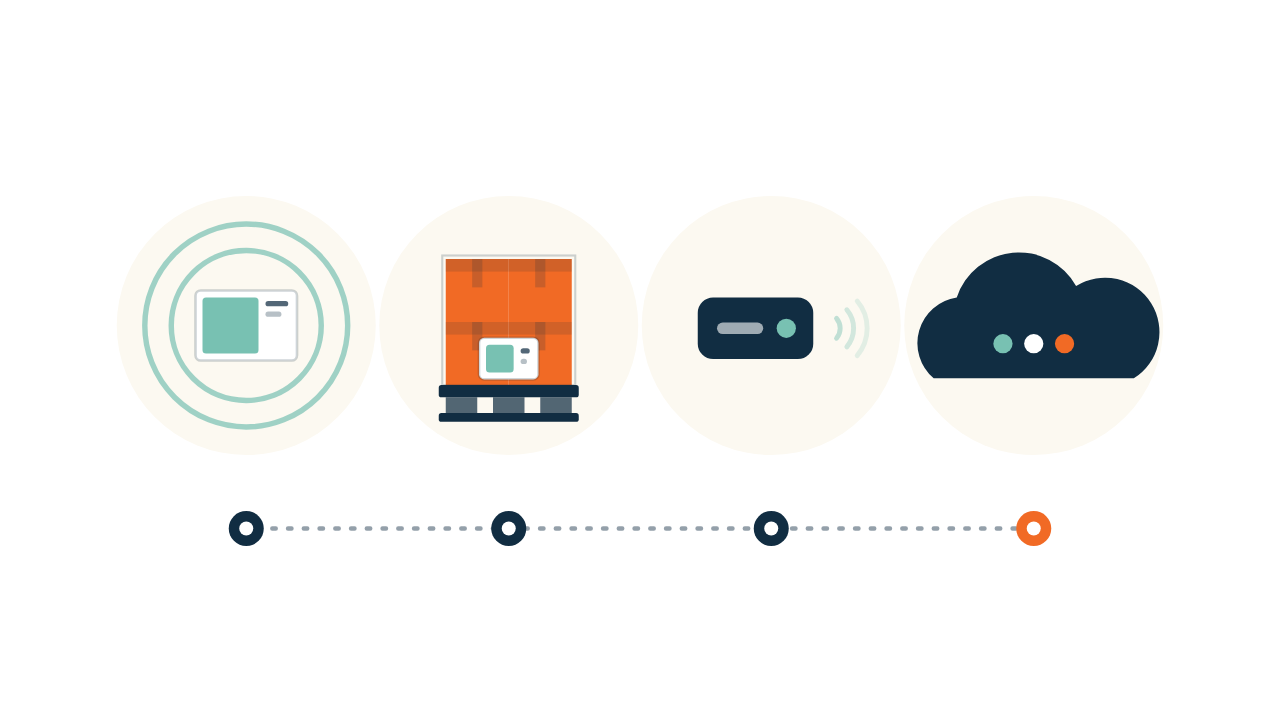
Operational vs. strategic visibility: why supply chains need both—and what happens when they work together
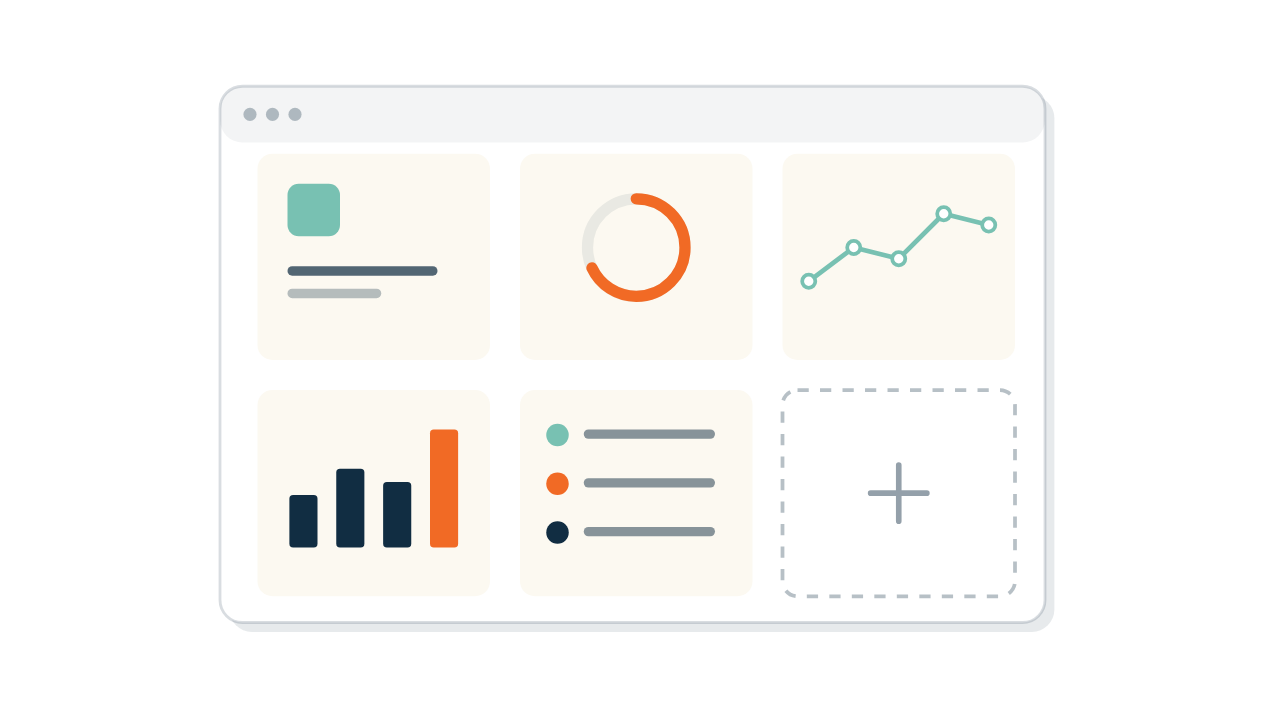
In an ever-changing logistics landscape, visibility is a lifeline. To build a resilient, responsive supply chain, we need to distinguish between two critical layers: operational visibility and strategic visibility.
Operational visibility: the execution engine
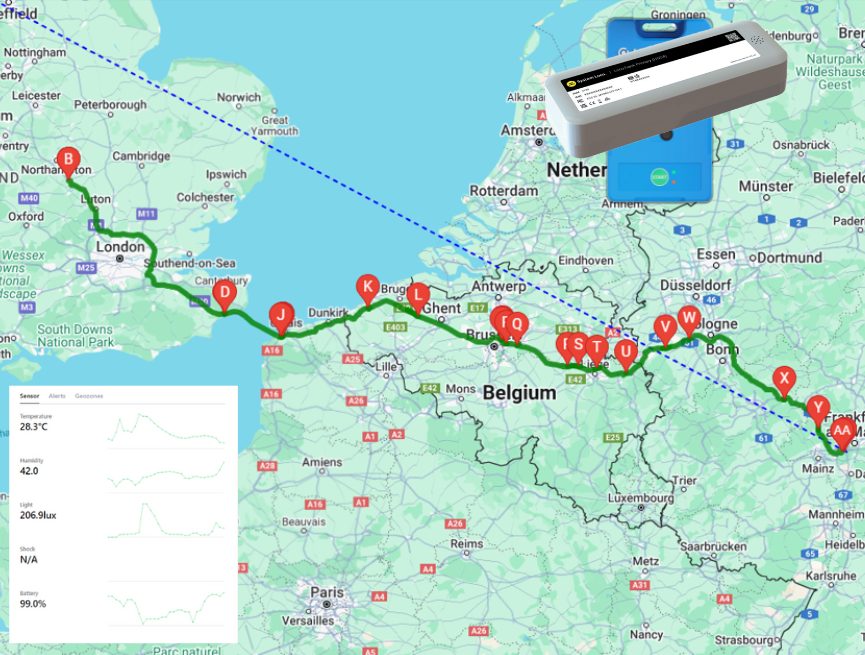
Operational visibility is the real-time pulse of your supply chain. It’s about knowing where your shipments are, when they’ll arrive, and what condition they’re in. This layer empowers teams to:
- Track and monitor shipments in real time
- Improve on-time delivery performance
- Prioritize inventory based on demand or urgency
- Protect high-value, sensitive, or perishable goods
Example: A global food distributor uses IoT sensors to monitor temperature and humidity inside refrigerated containers. When a sensor detects a deviation from the safe range, the system triggers an alert and reroutes the shipment to the nearest cold storage facility. The result? No spoilage, no customer complaints, and a delighted retailer who receives fresh produce on time.
Strategic visibility: the intelligence layer
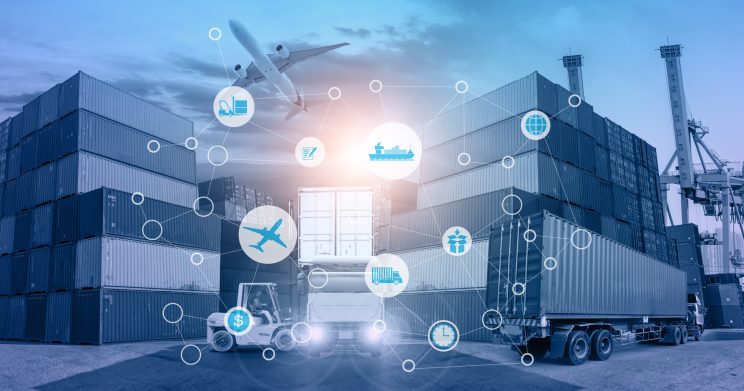
Strategic visibility is about seeing the forest, not just the trees. It’s built on the aggregation and analysis of highly reliable real-time data across the supply chain. This layer helps organizations:
- Diagnose recurring delivery issues
- Estimate delivery times with greater accuracy
- Identify and mitigate systemic risks
- Inform long-term planning and network design
Example: A consumer electronics brand aggregates real-time data from IoT devices, weather feeds, and traffic systems to forecast delivery delays across its global network. Planners use this insight to adjust production schedules and reroute shipments proactively. The result? Fewer stockouts, better customer satisfaction, and a more agile supply chain.
Real-time data in freight insurance: risk reduction meets cost savings

Real-time visibility isn’t just for logistics teams—it’s transforming freight insurance too. By integrating IoT data into underwriting and claims processes, insurers can:
- Monitor cargo conditions continuously
- Detect anomalies like route deviations or shock events
- Reduce claims through proactive intervention
- Offer lower premiums for lower-risk shipments
Example: A freight insurer partners with a logistics provider to access real-time sensor data on high-value electronics shipments. When a shipment deviates from its planned route or experiences excessive vibration, the system flags it for inspection. Over time, this proactive monitoring reduces claims frequency—and the insurer passes those savings back to shippers in the form of lower premiums.
Too often, companies invest in visibility tools without clarifying what kind of visibility they actually need. The result? A patchwork of dashboards that offer data but not direction.
The most effective supply chains integrate both layers. Operational visibility ensures flawless execution today. Strategic visibility builds resilience for tomorrow.
Visibility isn’t just about seeing—it’s about understanding. And in a world where disruption is the new normal, that understanding is what separates the agile from the obsolete.
More articles
all resources
Why visibility is the clear choice for supply chain experts
read article
The quiet revolution reshaping logistics: IoT visibility meets agentic AI
read article
Making supply chain visibility an omni-present reality
read article
VAAS wins the supply chain visibility challenge
read article
Supply chain visibility... What's what and what's best?
read article