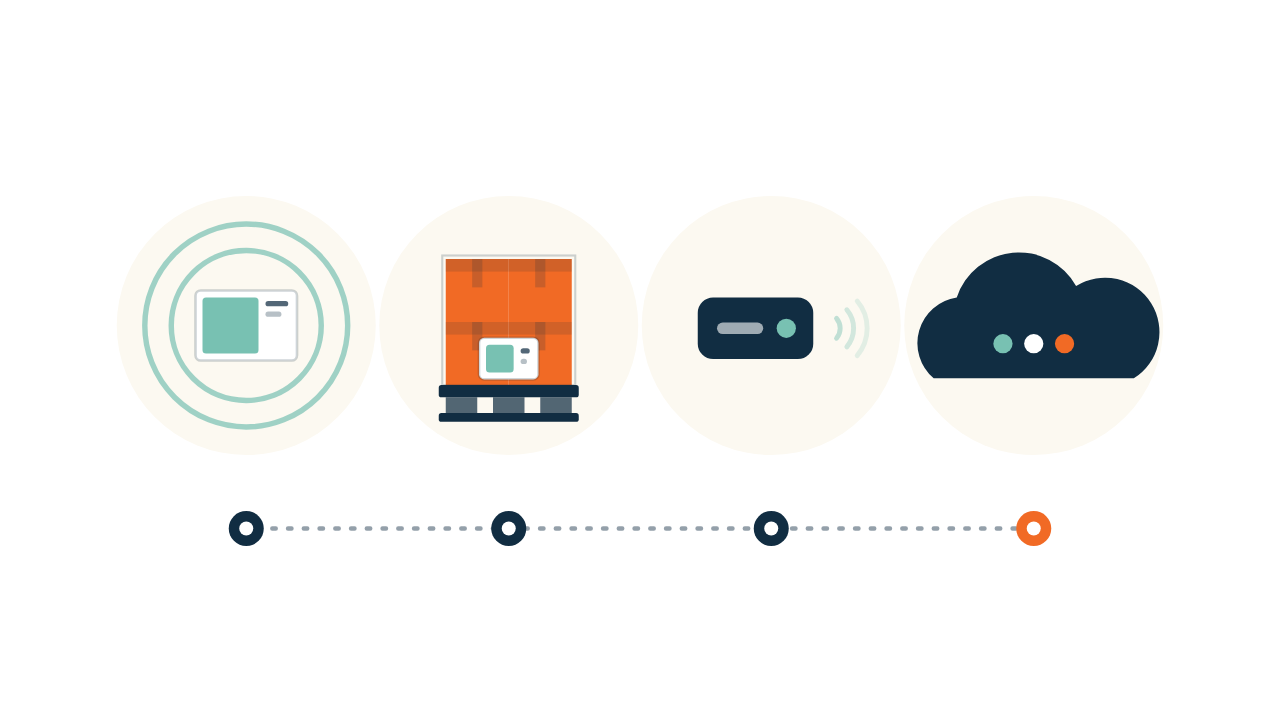
Making supply chain visibility an omni-present reality
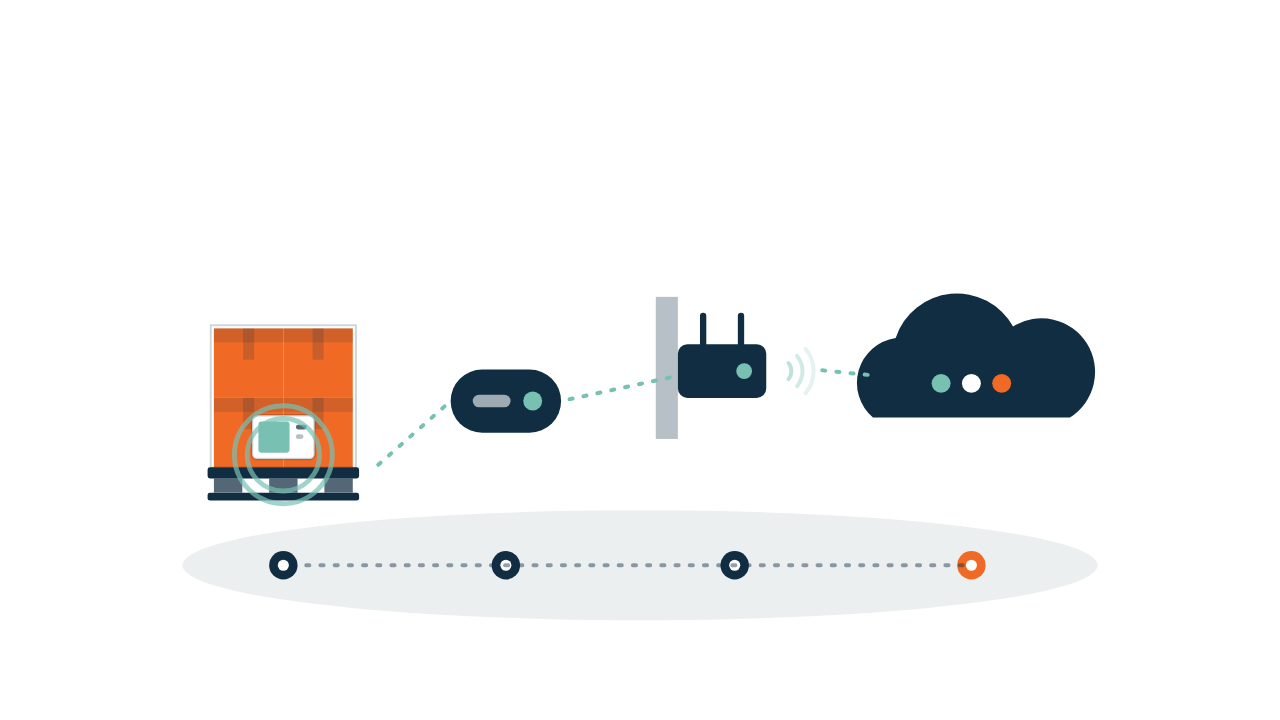
Today's global economy is volatile and fast-changing. Supply chain visibility is no longer a luxury—it’s a right, a tool, and an outright necessity. Every stakeholder, from manufacturers to logistics providers to end customers, deserves access to real-time data that enhances operations, mitigates risk, and drives efficiency. But despite its indisputable benefits, true end-to-end visibility remains elusive for many.

Why visibility matters
Real-time transportation visibility (RTTV) has become the industry standard, providing tracking through transportation assets. When is place, it is cost-effective and delivers solid ROI. But supply chains aren’t just vehicles moving from point A to B—they are networks of sensitive, high-value, and perishable cargo requiring deeper monitoring. This is where IoT Visibility changes the game, offering insights into the actual shipment, not just its carrier.
Visibility isn’t just about knowing where cargo is—it’s about preventing loss, enhancing communication, optimizing logistics, building resilience and preserving margins. Whether it’s ensuring the integrity of temperature-sensitive goods or safeguarding high-value shipments, granular data gives operators the control they need to act, rather than react.

The challenges to overcome
For all its benefits, supply chain visibility still faces hurdles. Cost remains a major barrier—traditional IoT solutions require significant investment, making them viable primarily for large enterprises. Smaller operators are often left navigating blind spots, unable to justify the expense of full-scale visibility infrastructure.
Then there’s awareness and transparency—two challenges that aren’t just technological, but cultural. Some organizations hesitate to expose real-time data due to competitive concerns or internal resistance. These walls will eventually crumble as supply chain efficiency thrives on collaboration. Better to do it sooner and join the leaders and innovators, rather than playing catchup later.
Bringing the future forward —together
The good news? We don’t have to wait for visibility to become universal—we can accelerate its adoption through innovative solutions like Visibility as a Service (VaaS).
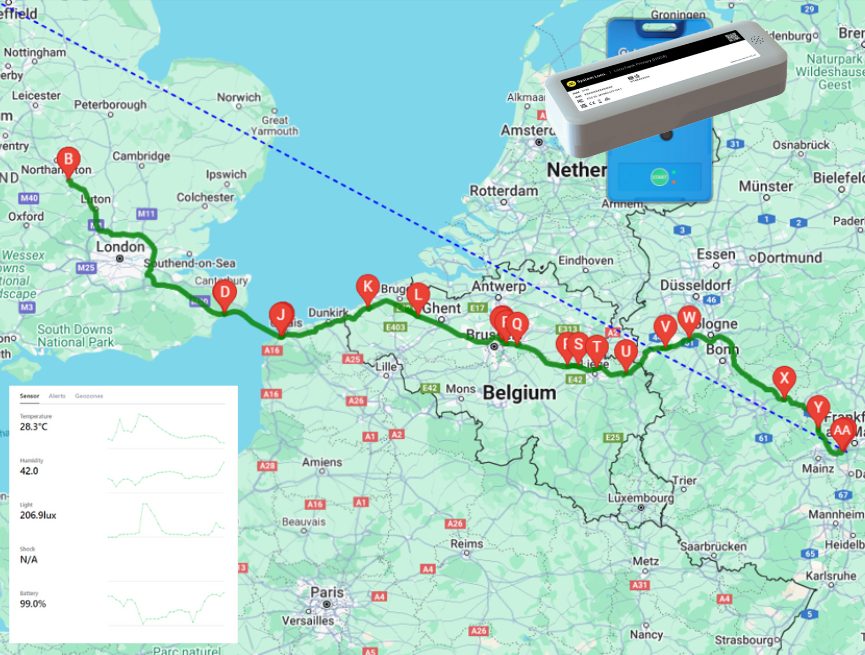
VaaS bridges the gap, providing access to real-time tracking without heavy capital investment. It empowers small and medium-sized enterprises to compete on a leveled playing field, preventing waste and streamlining operations without the burden of building an IoT ecosystem from scratch and supporting it.
No denying the progress, great things are happening in IoT Visibility domain. Tracking hardware is optimized for specific tasks to deliver targeted ROI. Agri-food tracking and monitoring does not require the same sophistication as pharmaceutical transactions. Printed electronics brings in new efficiencies and widens the scope of applications.
That said, we are still at the crawling phase of supply chain IoT visibility. But we know where we need to go— toward an industry where right level of visibility ( and scan-to-scan visibility is totally fine for some of them) is an integral part of every transaction. The more relevant data we have, the more informed our decisions become. We track and store now, we analyze, diagnose, plan with better precision later.

This is my invitation to you—let’s make supply chain visibility an omni-present reality. Let’s work together to accelerate its arrival. It is not just the availability of sophisticated technology that counts. Industry adoption is paramount.
If you haven't tracked your shipments in real-time yet, try it, you will delight your customers. If you tried, see the value and benefits, tell your colleagues. Everyone deserves to operate a visible, secure and efficient supply chain.
More articles
all resources
Why visibility is the clear choice for supply chain experts
read article
The quiet revolution reshaping logistics: IoT visibility meets agentic AI
read article
Operational vs. strategic visibility: why supply chains need both—and what happens when they work together
read article
VAAS wins the supply chain visibility challenge
read article
Supply chain visibility... What's what and what's best?
read article